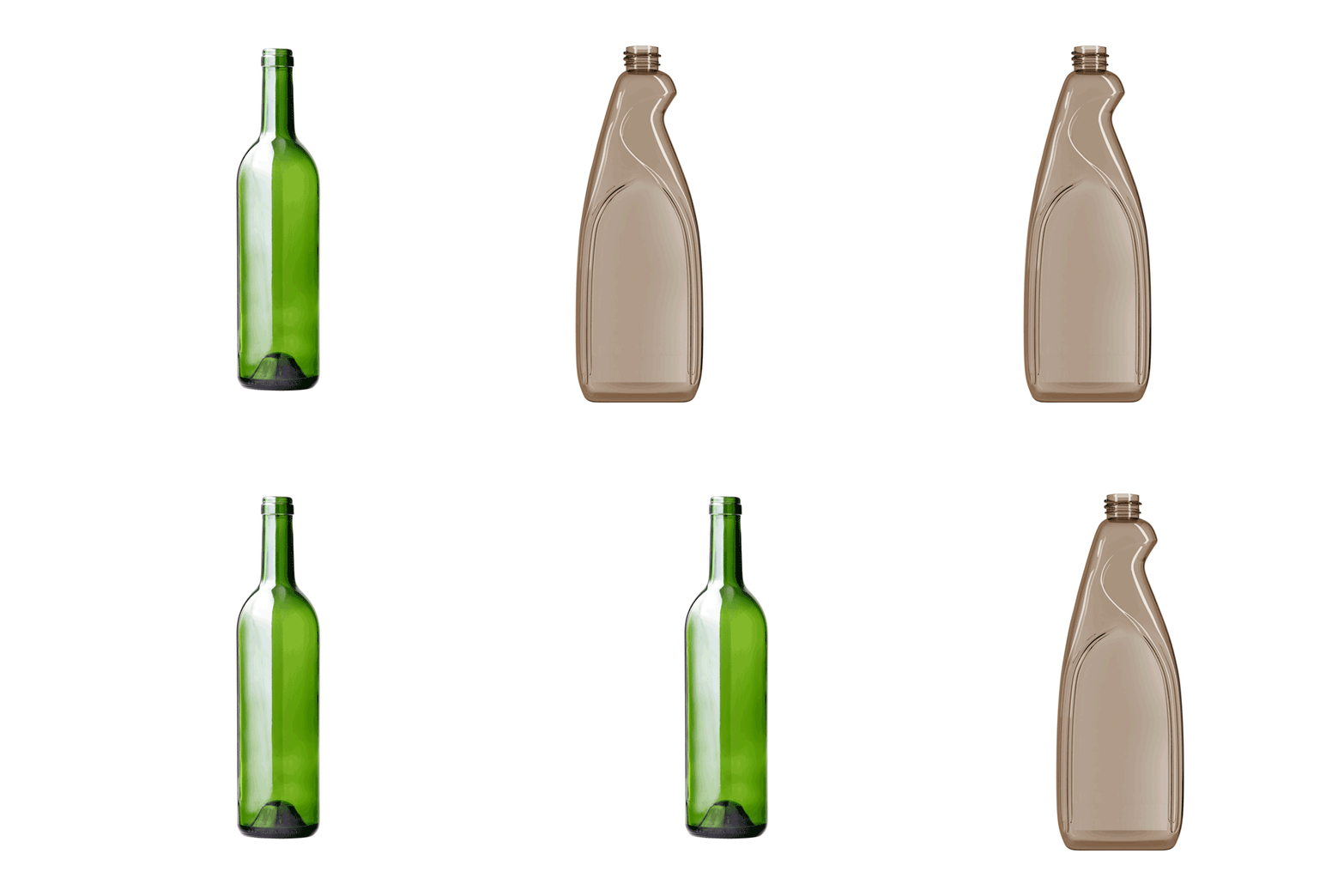
glass or plastic
In the packaging world, the comparison between glass and plastic is a timeless classic. Two materials, two distinct approaches. But if we look closely, one fact clearly emerges: plastic today represents an evolved strategic solution.
Lightness that makes the difference
Plastic is significantly lighter than glass. This translates into tangible benefits throughout the supply chain: reduced transportation costs, lower CO₂ emissions, and greater convenience for the end consumer. An often underestimated factor, but decisive in terms of logistics optimization.
Resistance and safety
Unlike glass, plastic doesn't break. This means less risk during transport, storage and use.
Design versatility
Plastic allows for design freedom that is difficult to replicate with other materials. Custom shapes, ergonomics, transparencies, colors, finishes: everything you need for brand identity.
Production efficiency
Plastic manufacturing processes, such as molding or blowing, ensure high scalability and competitive costs. This makes plastic a particularly effective choice for high-volume industrial production.
Innovation and sustainability
Today, talking about plastic means talking about sustainable evolution. The spread of widespread separate waste collection and new recycling techniques are transforming the sector. Plastic is no longer a problem to be managed, but a resource to be intelligently designed.
Glass maintains its value in specific contexts, but plastic confirms itself as the most dynamic, high-performance material and adaptable to the needs of contemporary packaging. Choosing it today means investing in efficiency, safety and innovation.
If you're developing a new packaging project, perhaps the right question isn't-glass or plastic-but rather how to best exploit the potential of plastic.
We remain available to explore tailor-made solutions.